
Project Overview
This project was developed for Victims and Survivors of Crime Week through Algonquin College’s Victimology Research Centre. The goal was to communicate sensitive research themes in a way that felt respectful, clear, and accessible across different deliverables.
My work focused on transforming abstract research content into a visual concept, developing branding guidelines, and applying the system across materials such as tip sheets, presentation slides, and report templates.
Tools & Methods
Figma, Adobe Creative Suite
Visual communication, branding guideline, deliverable design
Team
Victimology Research Centre, faculty, project stakeholders, community partners
Timeline
Research Assistant project
Apr 2026 – Jun 2026
Challenge
The topic involved complex and sensitive experiences that are often difficult to see, explain, or talk about. The design needed to avoid being overly decorative or emotionally heavy, while still helping the audience understand the seriousness of the subject.
The key challenge was to create a visual direction that could make invisible experiences feel visible, structured, and easier to understand.
Visual Concept
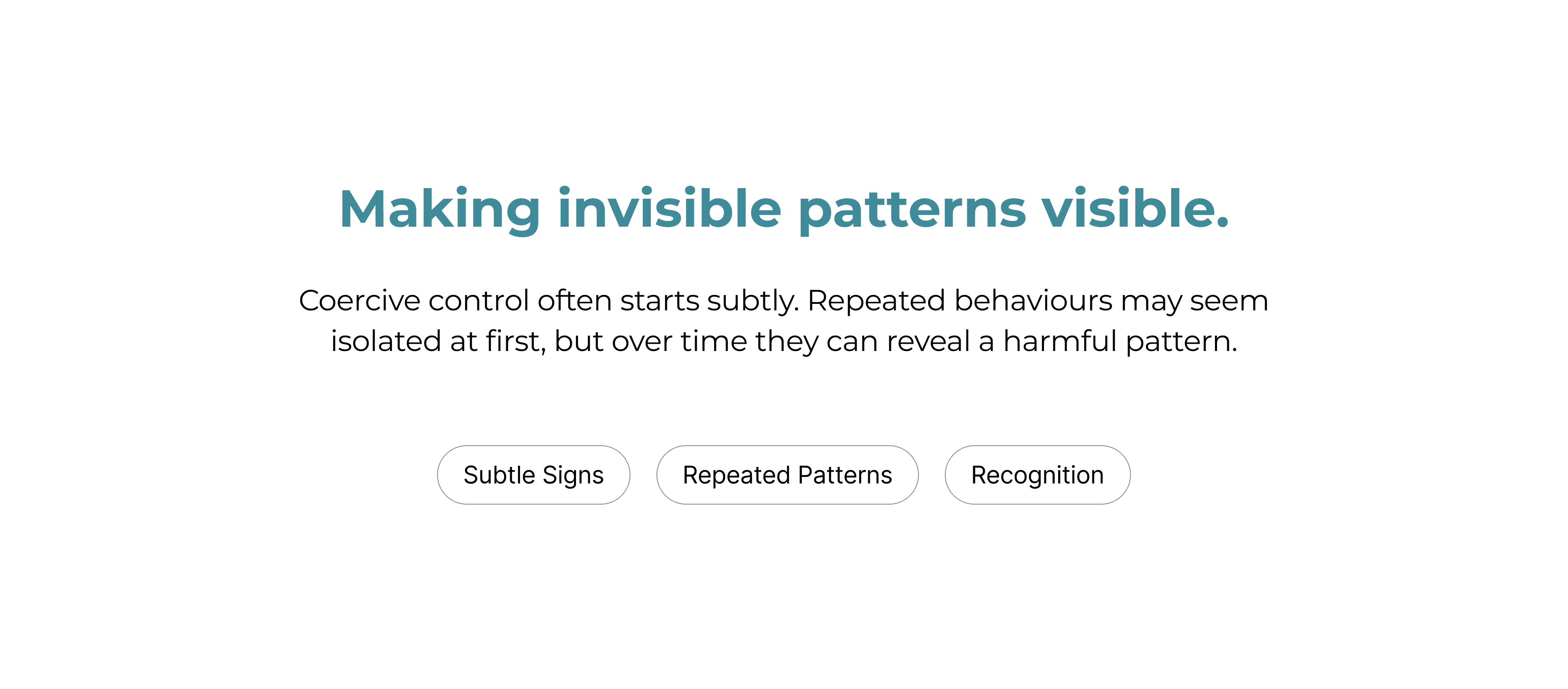
The core visual concept was “Making invisible patterns visible.”
This concept guided the design direction by turning hidden, abstract, or difficult-to-explain experiences into visual patterns that could be seen, followed, and understood.
To support this idea, I used three main visual elements:
Dots
Represent subtle signs and repeated behaviours
Lines
Show relationships and invisible boundaries.
Layers
create partial visibility, suggesting hidden patterns gradually becoming visible
Together, these elements created a visual language that felt subtle, structured, and sensitive to the topic.
Visual System & Branding Guidelines
Based on the visual concept, I created branding guidelines to keep the project materials consistent.
This guideline helped ensure that all deliverables felt connected to the same communication system.



Design Application
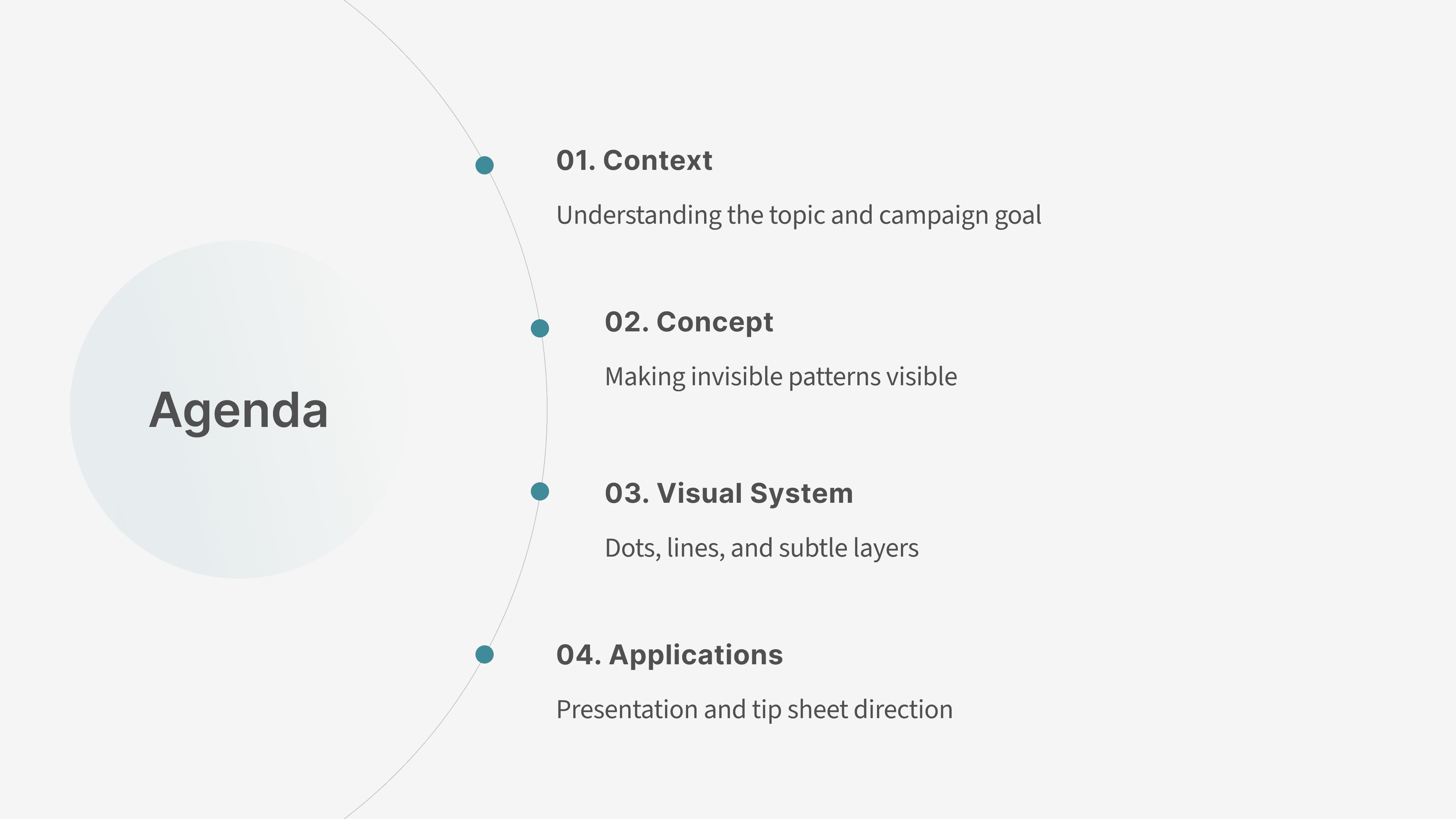
The visual system was applied across multiple deliverables, including:
Tip sheets
Presentation materials
Report templates
Supporting visual assets
Each deliverable used consistent typography, layout, colour, and visual elements to improve readability and maintain a unified visual identity.
Tip Sheets
Designed to make key information easier to scan and understand through clear hierarchy, icons, and consistent visual structure.


Presentation
Created a consistent slide system to support research communication, discussion flow, and visual storytelling.

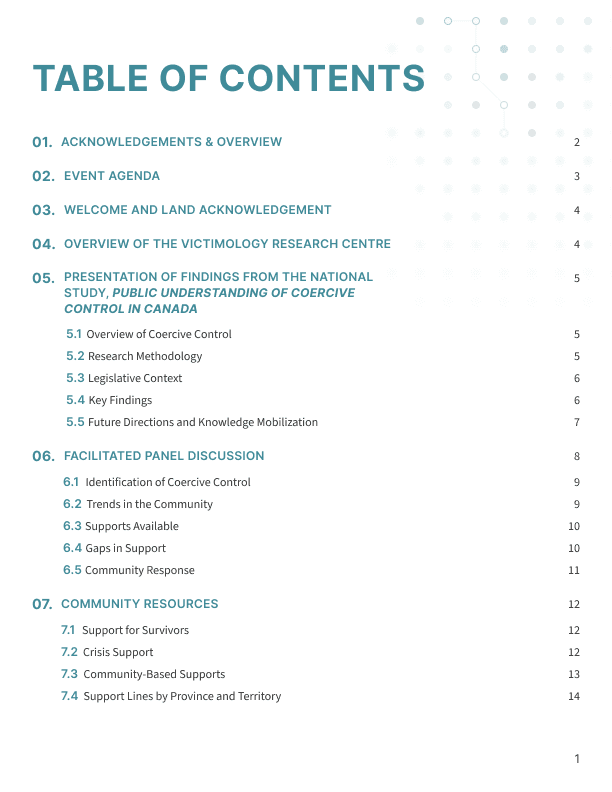
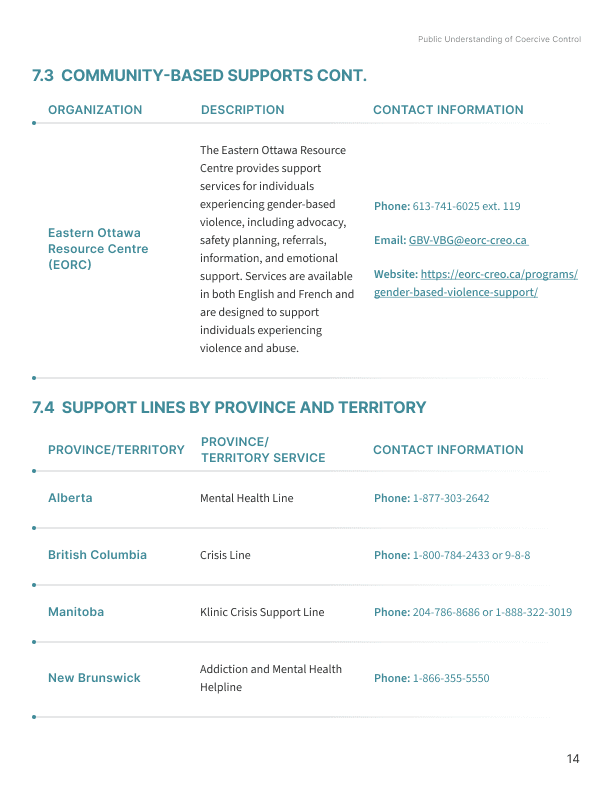
Report Template
Developed a structured report layout to support long-form research content while maintaining readability and visual consistency.



Outcome
The final materials created a consistent and professional visual system for communicating sensitive research content.
The project received positive feedback from faculty, project stakeholders, and community partners for its clarity, consistency, and respectful visual direction.
Reflection
This project helped me understand how visual design can support sensitive communication. By translating abstract concepts into a structured visual system, the design made complex and often invisible patterns easier to recognize without relying on overly literal or dramatic imagery.